A logo can make an object personal. A considered purpose can make it useful. A custom reclaimed wood project begins by bringing the two together.
Begin with the use
Who will receive the object, and what will they do with it? A gift for guests, a piece used in a restaurant and an item sold under your own brand have different requirements. Share the intended setting before choosing a decoration technique.
You can begin with an existing i-Rewood design or propose a new object. A reference image, a sketch or a short written brief gives the workshop a starting point. Include quantities, any dimensions that matter and the timing you have in mind.
Ways to add your identity
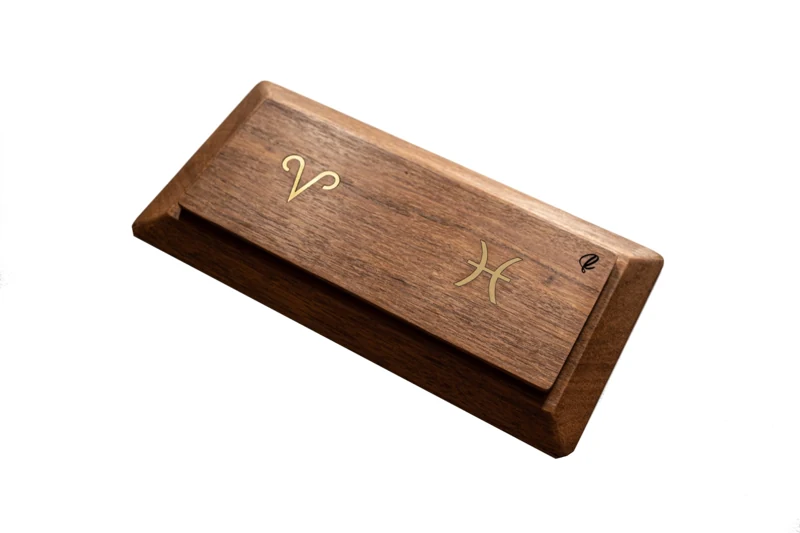
Personalisation options include engraving, QR details, brass inlay and painted lettering. The right approach depends on the object’s surface, size and design. A small logo on a holder may call for a different treatment from an inlaid detail on a tray.
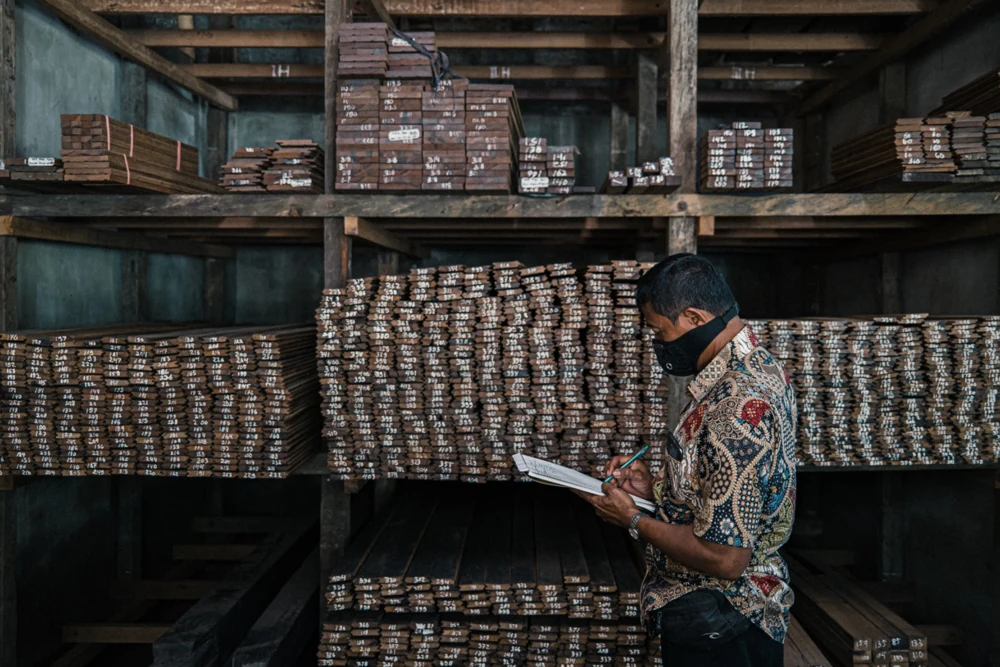
Reclaimed wood has its own grain and markings, so the surface is part of the decision. Branding should be considered alongside the timber rather than as an isolated detail. Share your logo artwork and explain the effect you want to achieve.
White label or a custom design?
A white label project brings wooden objects into your own brand universe. The conversation covers the object selection, the branding and how you want the pieces presented. It helps to explain how they will reach your customers or guests.
Custom development goes further into the object itself. You may need a particular shape, dimension or function. The workshop reviews those requirements with the material and production process in mind. A drawing starts a conversation; feasibility needs to be confirmed for the project.
Agree the practical details
Before moving into production, discuss the selected object, wood, finish, personalisation and presentation. If it will be used with food, include that requirement in the brief. Samples and any approval steps should be agreed as part of the project.
Also discuss quantities and preferred timing early. They help frame the production conversation, without assuming that every design follows the same process or schedule.
A brief you can send
Start with the object or idea, its intended use, your quantity, preferred dimensions, branding references and target timing. Add photographs or sketches if you have them. If you are still exploring, explain the purpose and the decisions you want help with.
A clear first conversation makes room for both your brand identity and the character of the reclaimed wood.