Before a finished object reaches the table, there is a journey to follow. For our reclaimed Ulin, it begins in Kalimantan and continues in the workshop in Bali.
First, a previous life
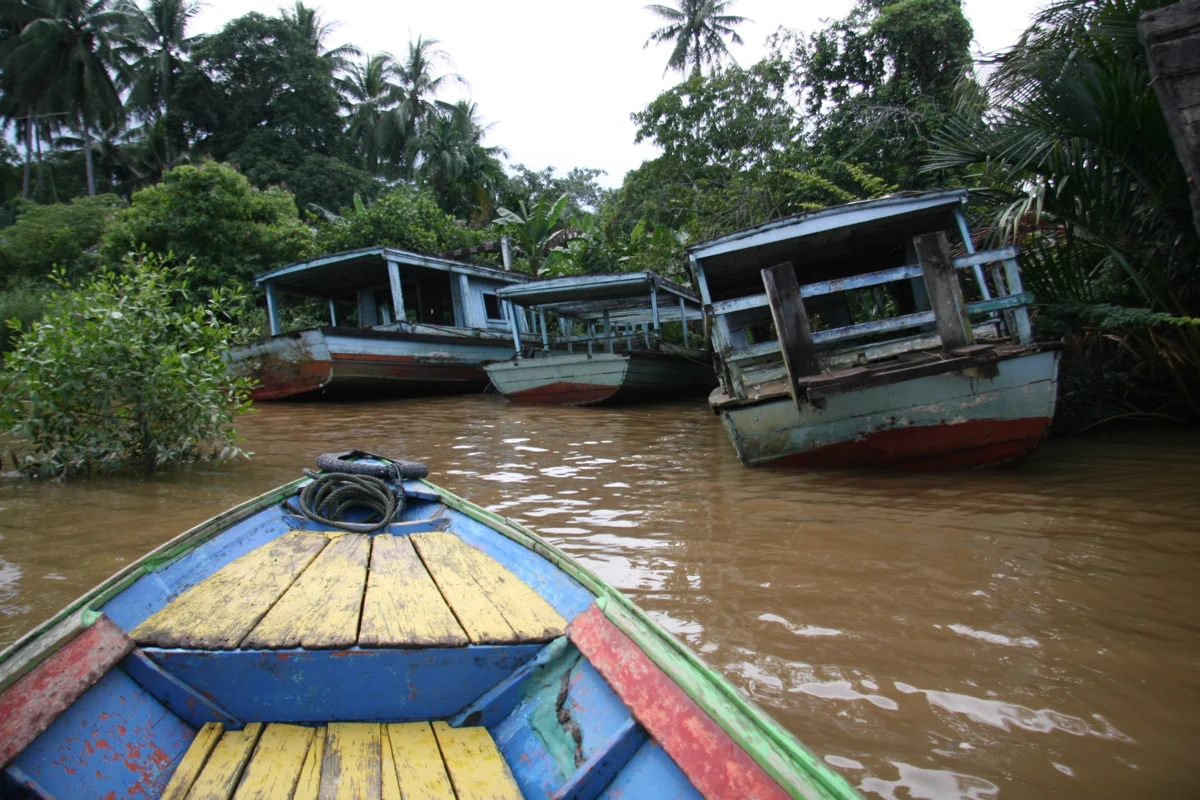
Ulin recovered for our work comes from structures that have reached the end of their use. Boats, roads and bridges are part of those earlier lives. Recovery begins with identifying wood that can be used again when these structures are dismantled.
What arrives at the workshop is therefore a material with an existing history. Its colour, grain and old markings have been shaped by that history. The next design needs to work with the wood that is actually there.
The route to Bali
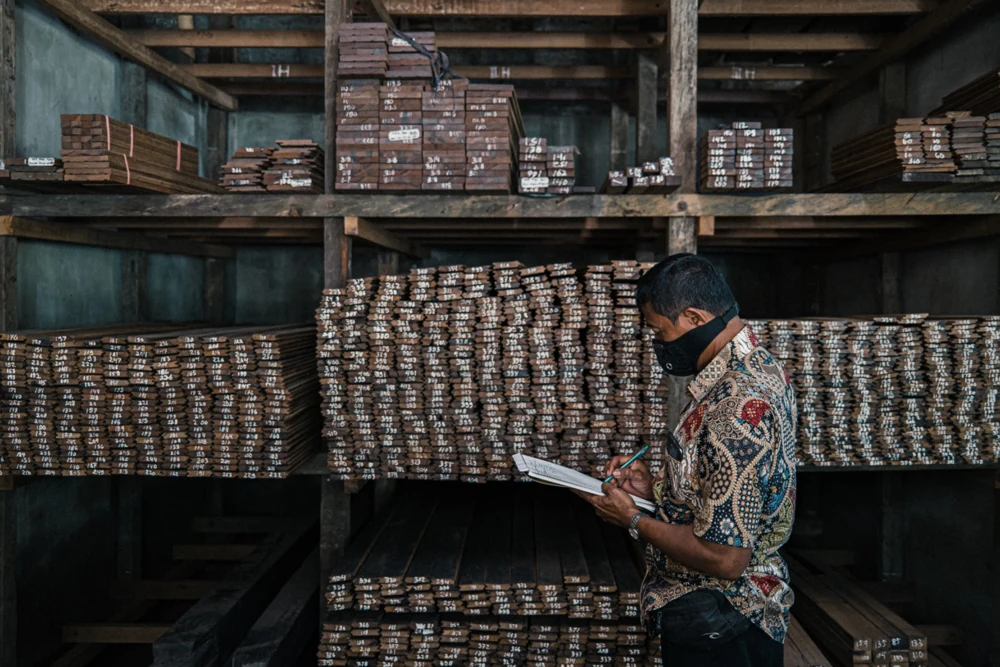
Recovered timber travels from Kalimantan to Bali by boat and truck. Our photographs offer glimpses of this wider journey: the river, an old wooden boat and timber at the workshop.
A photograph cannot document the previous life of every individual object. It can, however, make the connection between a place, a material and a process more tangible. The finished piece is one chapter in a much longer story.
Reading the wood in the workshop
Once the timber reaches Bali, the team assesses and prepares it for the next purpose. Existing holes, cuts and changes in the wood affect which sections can be used and how a design can be made.
Machines and skilled handwork both have a role. Parts are shaped, the object is assembled where needed, and the finish receives attention. The design and intended use guide those decisions, alongside the character of the timber itself.
A smaller scale, a different purpose
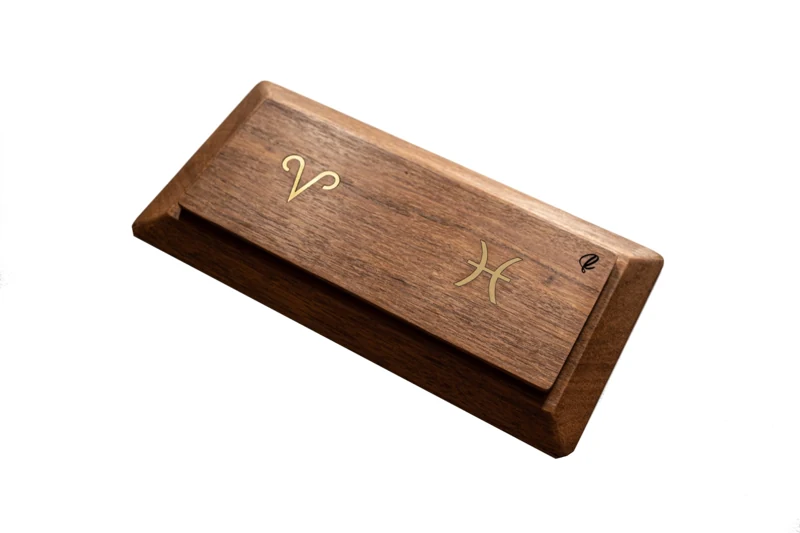
A material once used in a structure can become a tray, a gift or an object used during an everyday ritual. That change in scale is central to the i-Rewood project: bringing recovered wood into a form you can hold, use and keep.
Essential explores simple wooden forms. Fusion introduces other materials alongside the wood. Custom projects begin with a specific purpose, from a personalised gift to an object created for a hospitality space or a brand.
The next chapter
The journey does not end when an object leaves the workshop. Its next setting gives it another purpose. You might choose it for your home, give it to someone or include it in a project with your own story to tell.
Look closely at the grain and the marks. They connect the object’s present use with a life that began elsewhere.