Reclaimed wood has already served a purpose. Rather than beginning with a newly harvested tree, the story begins with timber recovered from something that is no longer in use.
A material with a previous use
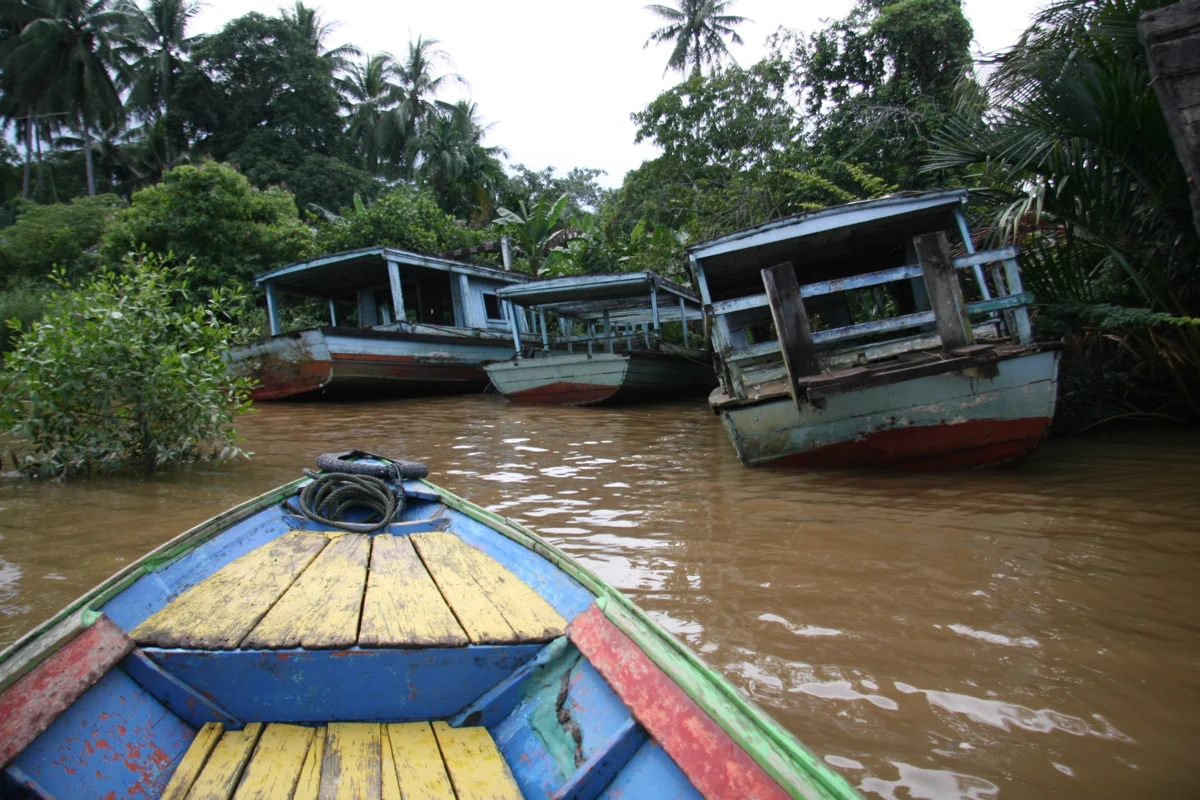
A boat, a bridge or a dismantled structure can contain wood that still has another use ahead of it. Recovering that wood means looking at the material itself: its condition, its usable sections and the kind of object it could become.
At i-Rewood, reclaimed Ulin from Kalimantan is part of that story. The timber’s former role does not dictate its next one. A section once used in a large structure can be prepared and shaped into a much smaller everyday object.
What the marks tell us
Reclaimed timber can carry nail and bolt holes, traces of old cuts, changes in colour or surface checking. These are visible reminders of earlier work. They are also details the workshop needs to consider when selecting and preparing a piece.
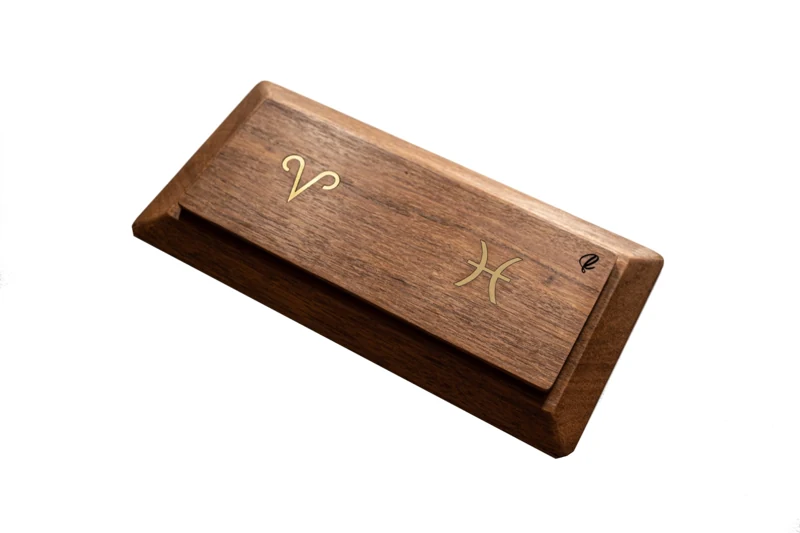
Two objects made to the same design may therefore have different grain patterns or markings. A product photograph shows an example of the material, rather than a promise that every piece will look identical. If a particular appearance matters to your project, discuss it before production.
From timber to a useful object
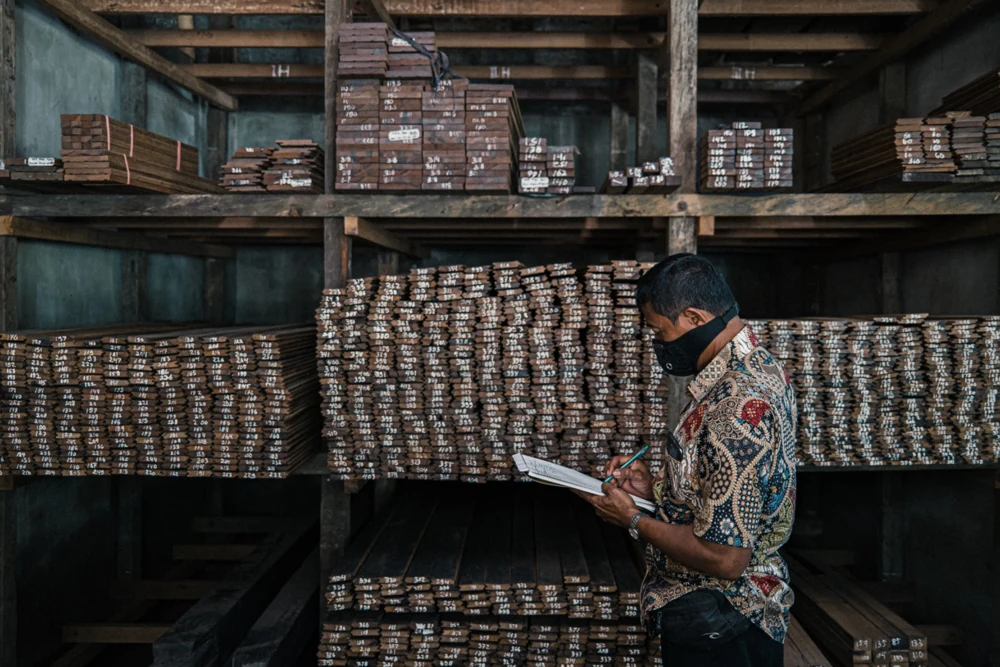
Recovery is the beginning of the process. In Bali, the workshop prepares the wood, shapes it and works on the finish. The object’s intended use matters throughout: a serving board, a holder and a decorative piece ask different things of the material.
Some surfaces can be smooth and pared back; others can retain more of the timber’s visible history. Choosing a finish means considering both appearance and how the object will be used. For anything intended to touch food, raise that requirement when discussing the object and its finish.
Questions worth asking
When choosing a reclaimed wood object, ask where the material comes from, what it was recovered from and how it has been prepared for its next use. For a custom project, share the intended setting and the details that matter to you: shape, finish, branding and how the piece will be handled.
The value of a second life is easiest to understand when you can connect the material’s past with the object in front of you. A visible mark, an informed material choice and a useful new form each have a part in that story.